
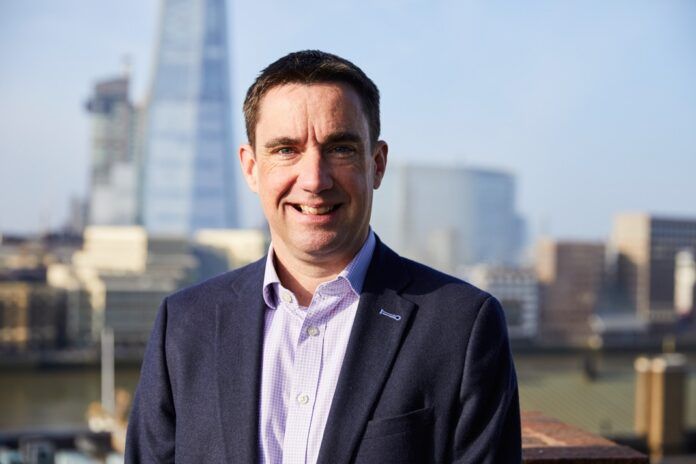
Steve Molloy, sustainability and commercial solutions manager at Daikin, has responded to new research from the Royal Town Planning Institute (RTPI).
The research showed that 27% of adopted local plans and 53% of emerging local plans require a cooling or ventilation strategy to manage overheating in new buildings.
Steve said: “This statistic around local planning engagement with climate change mitigation is troubling in itself, but the RTPI report focuses almost entirely on passive measures such as shading and ventilation, which misses a vital part of the picture. While these passive interventions are clearly important, in a warming climate where extreme weather events are becoming more frequent, they are unlikely to be enough on their own, particularly for existing building stock and vulnerable settings like care homes and hospitals.
“In fact, this was highlighted in a Climate Change Committee report as recently as May this year, which called for urgent investment in active cooling, including air-conditioning, in public buildings where occupants are most at-risk of overheating, such as schools, hospitals and care homes. What’s more, while Part O of the Building Regulations governs overheating in new residential buildings, there is a significant gap in the legislation concerning commercial and retrofit building stock.
“Looking ahead, planning policy needs to go further in encouraging the adoption of technologies that can address the challenges of decarbonisation and climate control simultaneously. Reversible systems such as air-to-air heat pumps offer an efficient, low-carbon route to both heating and cooling from a single piece of plant, yet they remain largely absent from planning guidance. Without clearer policy support for this kind of dual-function technology, local authorities risk missing a vital piece of the climate mitigation puzzle.”