
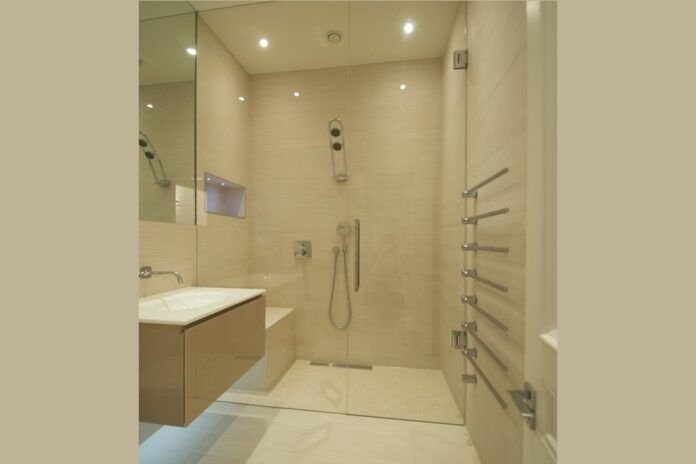
CCL Wetrooms has explored the benefits of decoupling membranes and explained how they work.
Let’s face it, no one wants to see their beautiful tiled wetroom floor start cracking, lifting or leaking only months after putting it in.
Yet, damage to your floor tiles from wear and tear is a surprisingly common scenario for many homeowners. More often than not, it comes down to one simple oversight — skipping the decoupling membrane process.
This underrated layer is the hidden champion behind many of the best-looking and the most durable wetroom floors.
Whether you’re an architect, experienced installer or a DIYer looking to do up your bathroom or wetroom, understanding the role of a decoupling membrane can be the difference between a pristine finish that lasts for years — or a tiled disaster that doesn’t even survive the warranty period.
So, what exactly is a decoupling membrane and why should it be a non-negotiable element in modern wetroom design?
What is a decoupling membrane?
A decoupling membrane is a thin, high-performance sheet laid between your substrate, which is the base layer underneath your tiles, typically made from concrete, timber or screed.
The purpose of a decoupling membrane is to absorb movement in the substrate before it transfers through to your tiled surface.
This seemingly small step has a big impact on the performance and longevity of your floor tiles. As buildings settle, floors flex and temperatures fluctuate, the substrate beneath your tiles will move, and without a buffer, so will the tiles. This means without a decoupling membrane, you can expect cracks, delamination, failed grout and moisture ingress — costing you more money and time replacing tiles.
By introducing a decoupling membrane, you give your tiled floor the breathing space it needs to move independently from the structure underneath — massively reducing the risk of damage over time.
In “dry” areas, like living room flooring and kitchens, decoupling membranes may be considered optional. But, in high-moisture zones like wetrooms, bathrooms and spa areas, it’s essential.
These environments see constant changes in humidity and temperature, which intensify substrate movement. Combining this with daily water exposure and you’ve got a recipe for hidden stress fractures, moisture buildup and eventual tile failure — unless you’re using a membrane built to withstand it.
Modern decoupling membranes often come with integrated waterproofing, offering a double layer of protection against structural movement and water damage. That’s a serious advantage in any wetroom specification.
Tips for decoupling membrane installation
Installing a decoupling membrane can be quite challenging if you don’t have any experience — but there is a right way to do it. Follow these steps to ensure performance you can count on:
Substrate prep is key — Make sure it’s clean, dry, flat, and debris-free.
Use the right adhesive — Always match your adhesive to both the substrate and membrane. Your decoupling membrane will always show you what adhesive to use, so make sure it’s suitable for the substrate.
Embed properly — Use a notched trowel, apply evenly, and press the membrane firmly into place.
Seal all joints — Especially in wet areas, watertightness is everything.
Let it cure — Give adhesives and membranes the time they need before tiling.
Bonus tip: Combine your decoupling membrane with a premium wetroom membrane system for bulletproof moisture protection.
Common mistakes that sabotage your floor
Even seasoned installers make avoidable errors. So, knowing them ahead of the installation can save you a lot of time and headache.
Make sure you don’t:
Skip your prep — If your substrate isn’t smooth and level, expect problems down the line.
Use the wrong adhesive — Compatibility matters — the wrong one could void your waterproofing.
Leave joints unsealed — Especially dangerous in wet zones, this can cause moisture to seep through.
Only cover part of the substrate — Failing to extend the membrane to all tiled areas leaves parts exposed to stress and cracking.
Industry standards and compliance for decoupling membranes
Industry bodies, like the British Standards Institution (BSI) and the Tile Association, recommend or require decoupling membranes where substrate movement is most likely.
Using a fully compliant membrane system isn’t just best practice, it’s a smart move. Not only does it keep your tiles looking good and improve their lifespan, but it also comes with manufacturer warranties and builds trust with clients.
In wetrooms and high-moisture environments where floors are constantly tested by movement and humidity, decoupling membranes aren’t a luxury — they’re a necessity.
By installing a decoupling membrane, you’re not only protecting the finish of your floor tiles from cracks and failures, you’re also futureproofing the entire bathroom, making sure it’s still in good condition if you ever decide to sell.